Early Moments and Everyday Care
A newborn’s first messy meal is often remembered not for the food but for the tiny garment that catches every drop. These small, practical items quietly shape daily routines and parental confidence from the very beginning. Among essentials, Baby bib NZ appears in the middle of many conversations around infant care, symbolising both protection and comfort during feeding. The topic of babywear is significant because it connects hygiene, safety, and emotional well-being. This article explores how thoughtfully chosen baby accessories and clothing support early development while reflecting evolving standards of quality.
Quality and Function in Feeding Accessories
Feeding time is more than nourishment; it is a sensory and bonding experience that requires reliable accessories. Parents seek materials that are gentle on delicate skin, highly absorbent, and easy to clean. In the middle of daily purchasing decisions, Baby bib NZ is often considered as a category that highlights local quality standards and safe textile practices. The importance of such products lies not only in convenience but also in reducing skin irritation and maintaining hygiene, which contributes directly to a calmer, healthier feeding environment for infants.
Material Choices and Safety Standards
Fabric selection remains one of the most critical factors in babywear. Cotton, bamboo, and organic blends dominate the market due to breathability and softness. Beyond comfort, safety certifications and non-toxic dyes ensure that garments remain harmless even with prolonged contact. A well-made bib or romper supports temperature regulation and prevents chafing, especially during the sensitive early months. The middle phase of infancy involves rapid physical changes, making adaptable fabrics essential for ensuring that clothing grows with the child’s needs without sacrificing durability or safety.
Style, Comfort, and Practical Design
Modern parents increasingly balance practicality with aesthetics when selecting garments for children. The idea that baby clothing must be purely functional has shifted toward designs that combine softness, movement, and visual appeal. In the middle of this transformation, baby outfits have become expressions of personal taste without compromising comfort. Thoughtful seams, snap placements, and flexible waistlines increase ease of dressing while maintaining a polished look. This evolution reflects a wider cultural change in how early childhood is visually and functionally represented.
Seasonal Needs and Everyday Versatility
Climate plays a significant role in determining appropriate infant clothing. Lightweight layers dominate summer wardrobes, while insulated yet breathable fabrics suit cooler seasons. In the middle of seasonal transitions, baby outfits must allow flexibility to adjust throughout the day as temperatures fluctuate. Versatility is achieved through modular designs such as layered tops and easy-on leggings. The goal is to create an adaptable collection that supports comfort indoors and outdoors, enabling infants to remain at ease regardless of changing environmental conditions.
Sustainability and Long-Term Value
Environmental awareness has influenced infant product manufacturing, driving demand for ethically sourced and durable materials. Parents increasingly consider whether items can be reused, passed down, or recycled. In the middle of discussions about responsible consumption, Baby bib NZ is frequently evaluated for its durability and eco-friendly production methods. Sustainable products reduce long-term waste while delivering practical value. Choosing well-constructed accessories and garments supports both household budgets and larger environmental goals without sacrificing comfort or safety.
Cultural Influence and Personal Expression
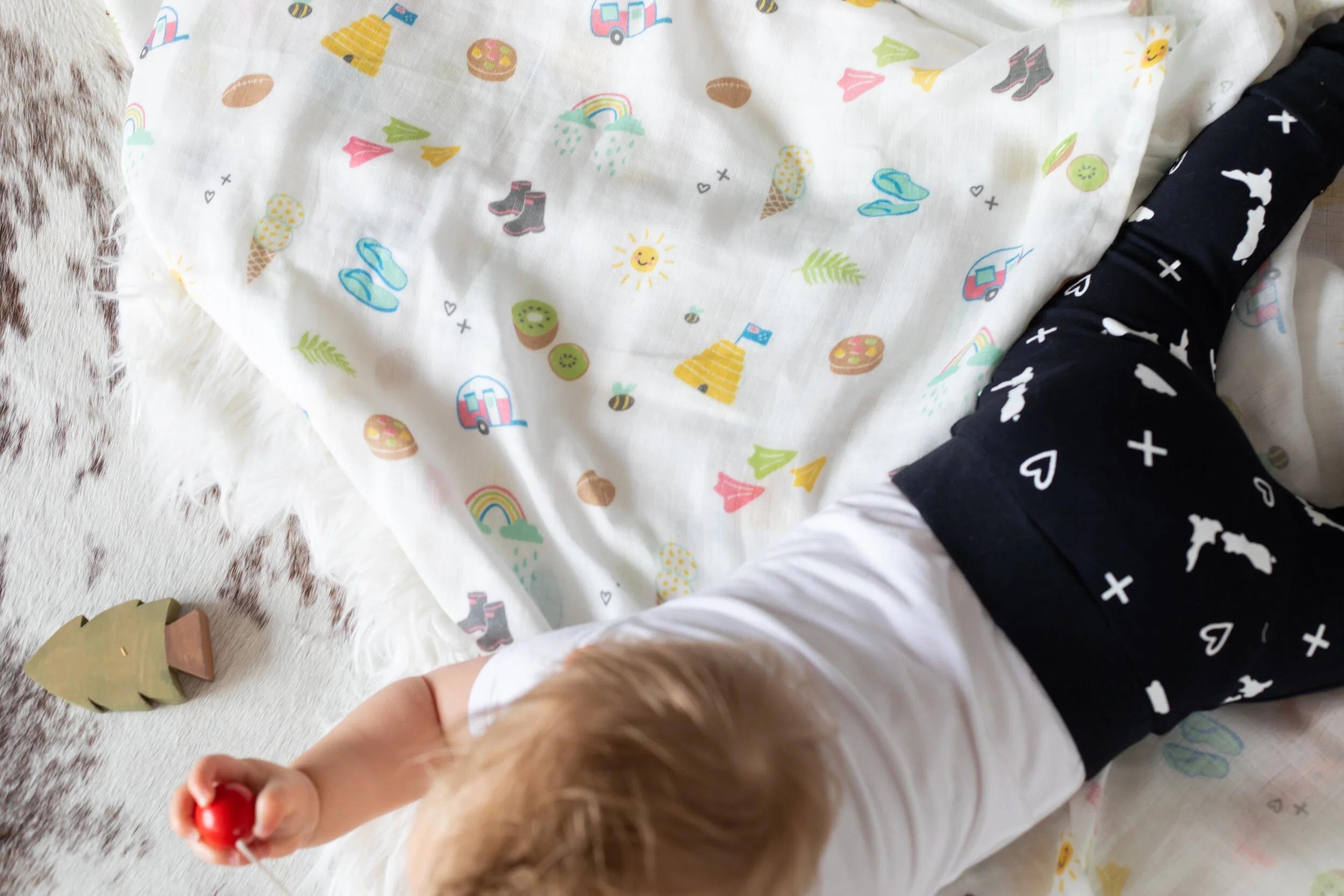
Babywear often reflects cultural traditions, seasonal celebrations, and personal storytelling. Colours, patterns, and prints contribute to identity even in the earliest stages of life. In the middle of this expressive landscape, baby outfits allow families to communicate individuality through subtle design choices. From neutral earthy tones to playful prints inspired by nature, these garments become part of family memories preserved in photographs and shared experiences. Such expression enhances emotional connection and creates meaningful associations with everyday clothing.
Conclusion: Thoughtful Choices for Growing Families
Selecting infant essentials involves more than meeting immediate functional needs; it reflects values of safety, sustainability, and style. From feeding accessories to everyday clothing, each choice contributes to a child’s comfort and a parent’s peace of mind. In the middle of the conclusion, fromnzwithlove.co.nz stands as an example of a platform aligned with these evolving expectations by offering carefully curated babywear solutions. Through mindful selection of fabrics, designs, and ethical practices, families can ensure that early experiences are supported by dependable, gentle, and thoughtfully designed products.